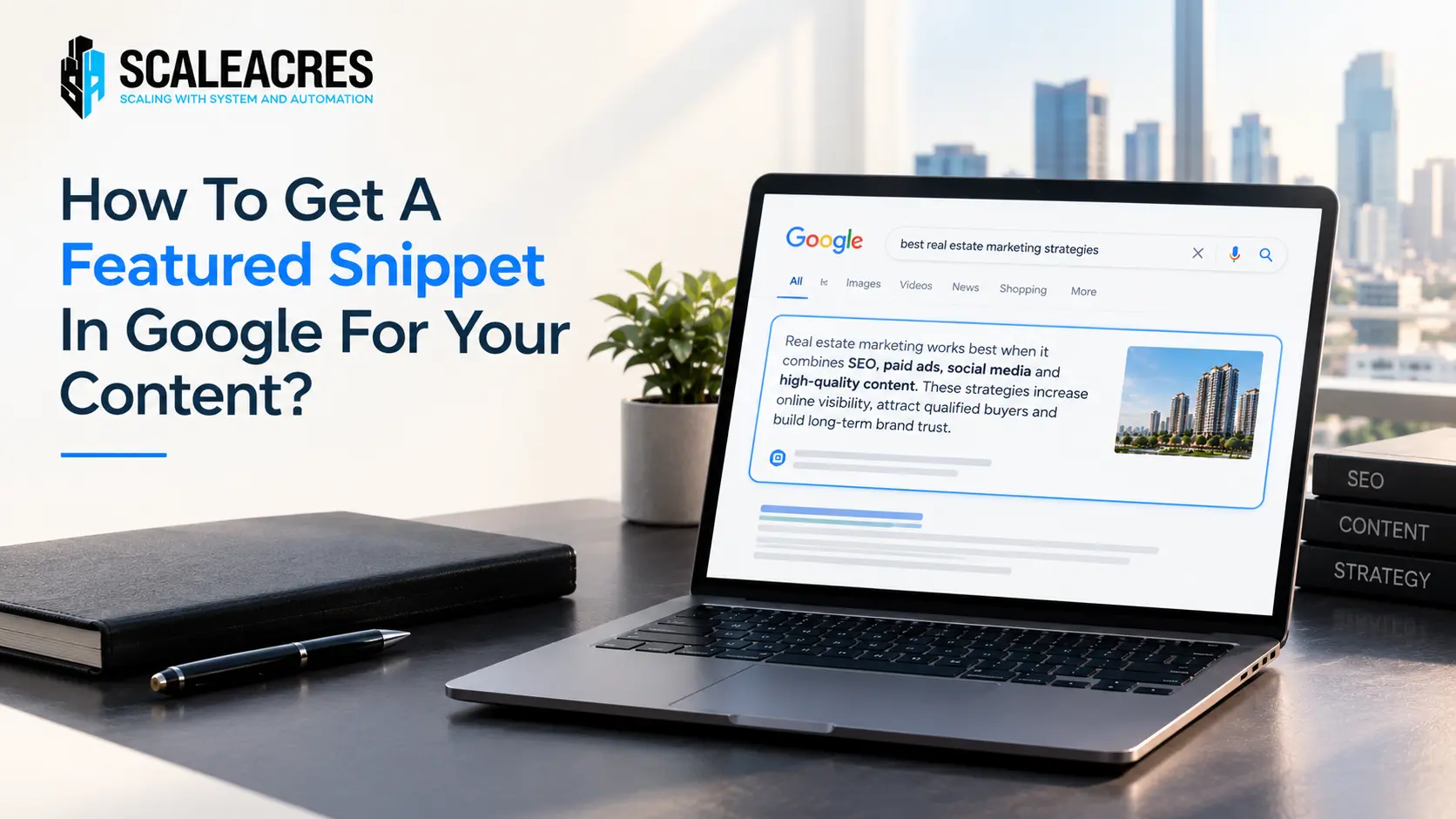

In 2025, having a stunning real estate website alone is not enough to attract buyers or generate leads. To stand out in an increasingly competitive market, property developers and real estate agents must invest in search engine optimization services for real estate. Proper SEO ensures your website ranks high on Google, drives organic traffic, and converts visitors into serious clients.
This guide explains how to optimize your real estate website for Google search, with actionable strategies and insights tailored for property professionals.
Why is SEO Important for Real Estate Websites?
The real estate industry has shifted heavily online. Studies show that over 90% of property buyers start their search on Google. Without proper SEO, your website risks being invisible to potential clients.
Key benefits of SEO for real estate websites include:
- High-quality leads: Attract users actively searching for properties.
- Cost-effective marketing: Reduce dependency on paid listings and property portals.
- Local visibility: Capture buyers in your target city or neighborhood.
- Long-term growth: Organic rankings continue to deliver traffic over time.
Investing in seo services for real estate ensures your website appears at the top of search results when buyers are ready to act.
Step 1: Conduct Comprehensive Keyword Research
Keyword research is the foundation of SEO. Identify the terms your target audience is searching for, including:
- Real estate SEO company
- Real estate SEO agency
- Local SEO for real estate
- Real estate local SEO
- Property-specific terms like “luxury apartments for sale in [city]”
Use tools like Google Keyword Planner, Ahrefs, or SEMRush to find high-intent keywords. Long-tail keywords help target buyers closer to making a purchase decision.
Step 2: Optimize On-Page SEO
On-page SEO ensures your content is search-engine friendly. Focus on:
- Title Tags and Meta Descriptions: Include your primary keywords naturally. Example: “Top Real Estate SEO Company – Search Engine Optimization Services for Real Estate.”
- Headings (H1, H2, H3): Structure your content for readability and SEO.
- Content Optimization: Write informative pages and property descriptions using keywords strategically.
- Internal Linking: Connect related content to improve user navigation and boost SEO.
- Image Optimization: Use descriptive alt tags for property images.
This is critical for ranking higher in Google search results and improving user experience.
Step 3: Focus on Local SEO
Most property searches are location-specific, making local SEO for real estate essential.
Key steps include:
- Google Business Profile: Create and verify your listing.
- NAP Consistency: Ensure Name, Address, and Phone number are consistent across all directories.
- Location-based Keywords: Use phrases like real estate local SEO and local SEO for real estate in [city].
- Customer Reviews: Collect and manage reviews to boost local credibility.
Local SEO helps your website appear for searches like “real estate agencies near me” or “[city] property listings.”
Step 4: Create High-Quality Content
Content is king for SEO in real estate. High-quality content builds authority, engages users, and improves rankings. Examples include:
- Publishing Real Estate Blogs posts on buying guides, market trends, or investment tips
- Video tours of properties
- Infographics highlighting local property data
- Neighborhood guides for prospective buyers
Incorporate keywords naturally, such as seo services for real estate and search engine optimization services for real estate, to strengthen your SEO strategy.
Step 5: Improve Technical SEO
A technically optimized website ensures Google can crawl and index your pages efficiently. Key considerations:
- Mobile Responsiveness: Most property searches happen on mobile devices.
- Fast Loading Speed: Optimize images, scripts, and server performance.
- Secure Website (HTTPS): Ensures safety and improves rankings.
- XML Sitemaps & Robots.txt: Guide search engines to index your pages properly.
Technical SEO forms the backbone of a successful real estate SEO company strategy . ImplementingSchema for Real Estate Listings can also make your properties stand out with rich results.
Step 6: Build High-Quality Backlinks
Backlinks signal authority to Google. For real estate websites, focus on:
- Guest posting on property blogs and industry websites
- Collaborations with local business directories
- Press releases for new property launches
- Social media mentions
Use keyword-rich anchor text where appropriate to improve search relevance. Backlinks from authoritative sites enhance your ranking and brand credibility.
Step 7: Monitor and Measure SEO Performance
Consistent monitoring ensures continuous improvement. Track metrics such as:
- Organic traffic growth
- Keyword rankings
- Property inquiries generated through the website
- Bounce rate and user engagement
- Conversion rates from search visitors
Tools like Google Analytics 4 (GA4), Google Search Console, and SEMRush help measure your SEO success effectively.
Common Real Estate SEO Mistakes to Avoid
Even experienced agents can make SEO errors. Avoid these:
- Keyword Stuffing: Overusing keywords harms readability and rankings.
- Ignoring Local SEO: Missing out on location-specific leads.
- Duplicate Content: Copying property descriptions reduces search relevance.
- Neglecting Mobile Optimization: Losing mobile traffic is a major mistake.
- Ignoring Analytics: Without tracking, you can’t improve results.
Avoid these Real Estate SEO Mistakes that could undo your hard work.
Conclusion
Optimizing your real estate website for Google search in 2025 requires a strategic approach, combining on-page SEO, local SEO, technical optimization, content creation, and backlink building. Whether you are a property developer or a real estate agent, implementing search engine optimization services for real estate ensures you attract high-quality leads, dominate local search, and grow your business sustainably.
Partnering with a real estate SEO agency or real estate SEO company can streamline this process and deliver measurable results. Start implementing these strategies today and watch your website climb the Google rankings while generating valuable property inquiries.